How to Identify the Best General Contractor for Your Forthcoming Home Project
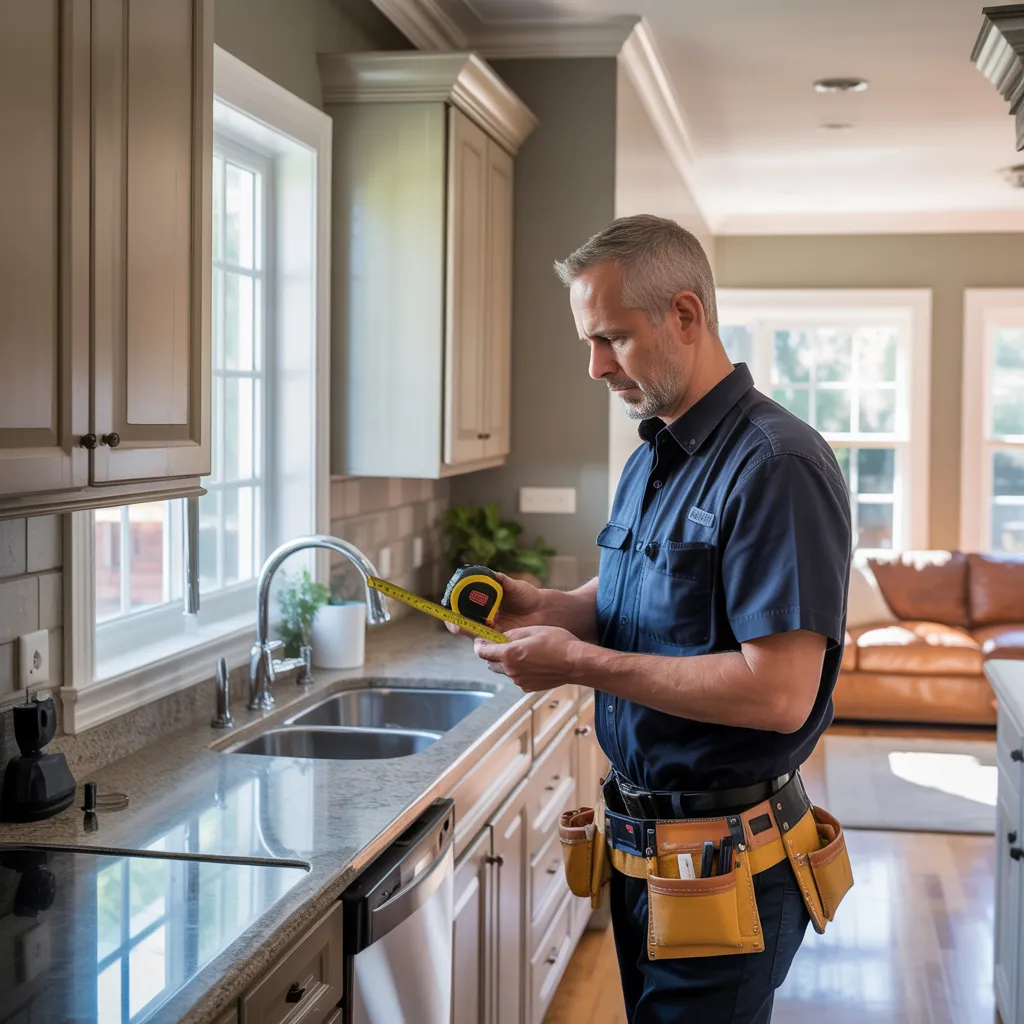
Selecting the appropriate construction professional for your home project is a crucial choice. This requires thoughtful evaluation of various elements, including experience, credentials, and ability to communicate. Many property owners miss key aspects, leading to expensive errors. Understanding how to evaluate potential contractors can make a significant difference. By concentrating on vital standards and asking the appropriate inquiries, one can manage this complex process more effectively. What are the important measures to ensure a productive collaboration?
Techniques for Preventing Frequent Traps When Selecting a Contractor
When hiring a general contractor, how does one manage the myriad of choices without falling into common traps? Prospective clients often neglect critical elements that can result in disappointing consequences. First, depending only on cost can be incorrect; the lowest bid may mean poor quality or additional fees. Additionally, failing to verify references or online feedback can result in employing a contractor with bad reviews. It is also essential to steer clear of decisions made solely on likability; a personable contractor may not have the required expertise or trustworthiness. Moreover, not setting clear communication and goals can lead to confusion and disappointment. Finally, neglecting to examine contracts carefully before signing can result in unexpected obligations or lack of protection. By being watchful and educated, homeowners can make more confident decisions, ultimately ensuring a fruitful endeavor.
What to Search For in a Contractor's Background
When evaluating a contractor's experience, multiple important elements become relevant. Relevant project experience, professional credentials, and an extensive portfolio of completed work function as essential markers of their competencies. Examining these elements can offer useful understanding into the contractor's fit for the specific project at hand.
Related Initiative Experience
Grasping a contractor's relevant project experience is crucial for guaranteeing the matching information positive outcome of any construction endeavor. Potential customers should evaluate the contractor's portfolio, concentrating on completed projects similar in scope and style to their own. This involves reviewing the caliber of craftsmanship, adherence to timelines, and budget management in past projects. Additionally, it is advantageous to inquire about the types of materials used and the contractor's familiarity with local building codes and regulations. Reviews and recommendations from previous customers can provide insights into the contractor's dependability and communication skills. In the end, a contractor with considerable applicable expertise can navigate challenges successfully, ensuring the project satisfies the homeowner's expectations and standards.
Professional Qualifications And Authorizations
Certification and licensing function as important indicators of a contractor's expertise and skills in the construction industry. When engaging a general contractor, it is vital to ensure they have the required licenses mandated by local and state regulations. Such licenses demonstrate compliance with building codes and safety standards. Furthermore, industry certifications, like those from the National Association of Home Builders or other related organizations, reflect a contractor's dedication to excellence and ongoing education. Specialists with particular certifications may also possess expertise in specific fields, such as green building or remodeling. Verifying that a contractor holds the proper credentials not only increases confidence in their capabilities but also reduces potential legal and financial risks during the project.
Collection Of Finished Projects
A professional's portfolio containing completed work is an crucial instrument for evaluating their expertise and competence. This selection should highlight a mix of jobs, exhibiting versatility in multiple styles and degrees of challenge. When analyzing a portfolio, potential clients ought to identify professional images that clearly illustrate the artistry involved. It is beneficial to find works that correspond to the homeowner's particular requirements or visual inclinations. Attention to detail, innovative solutions, and meeting deadlines are key signs of a contractor’s skill. In addition, user endorsements or success stories contained in the portfolio can provide more knowledge into the contractor's reliability and consistency. Ultimately, a robust portfolio enables homeowners to decide confidently about their upcoming projects.
Guide to verifying Your Contractor's Credentials and Licenses
Before selecting a general contractor, it is critical to corroborate their credentials and licenses to ensure they meet occupational requirements. Start by consulting state regulatory boards to establish that the contractor maintains the required licenses for your region and job category. Each state dictates its own requirements, so grasping them can forestall future setbacks.
Additionally, inquire into insurance coverage, such as liability and workers' compensation, to guarantee protection against potential accidents or damages. Request references from previous clients and check in to assess satisfaction and reliability.
Lastly, assess any certifications the contractor may obtain, as these often show specialized training and commitment to industry best practices. A thorough verification process not only ensures adherence but also creates assurance in the contractor's ability to complete the project successfully.
Why Clear Dialogue Is Vital in Your Contractor Relationship
Essential interaction plays a key role in the contractor-client relationship, shaping the project's success from the start. Clear dialogue sets expectations, timelines, and budgets, ensuring both parties are aligned on the project's goals. When clients express their vision effectively, contractors can provide informed recommendations and solutions, improving the overall outcome.
Frequent check-ins and open lines of communication facilitate speedy resolution of issues as they arise, limiting potential delays. Additionally, a contractor who pays heed and acknowledges client feedback develops trust, which is indispensable for collaboration.
In addition, productive interaction helps in addressing modifications and unexpected challenges, keeping the project on schedule. It allows the contractor to revise approaches based on client input, guaranteeing contentment throughout the project. Finally, prioritizing dialogue not only solidifies the contractor-client relationship but also significantly contributes to the successful completion of the home project.
Important Queries to Raise with Your Contractor During Opening Meetings
During initial meetings with a contractor, clients should stress understanding their experience and qualifications. It's important to discuss the project timeline and budget to confirm alignment with the client's expectations. These questions build a framework for a strong working relationship and effective project management.
Track Record and Qualifications
Choosing a contractor comes down to understanding their professional background and qualifications. Homeowners must inquire about the contractor's time in the industry and the variety of projects executed. Asking specific questions about appropriate licenses, certifications, and insurance is vital, as these assure following local laws and provide protection during the project. Additionally, reviewing past work through previous work samples or recommendations can provide insight into the contractor's skill and trustworthiness. It is also beneficial to ask about their experience in similar projects, since this can demonstrate their capability to handle particular challenges. In conclusion, assessing a contractor's background and skills builds confidence and helps homeowners make informed decisions about their home projects.
Project Timeframe and Budget
increasing the chances of a successful project.
Recommendations for Assessing References and Analyzing Reviews
What steps should one take to guarantee a general contractor is reliable? First, it is essential to request a list of references from qualified contractors. A reputable contractor will readily share names and contact information of previous clients. One should call these references to explore their experiences, concentrating upon aspects such as communication, quality of work, and adherence to timelines.
Moreover, reviewing online reviews on platforms like Google, Yelp, or Angie's List can offer meaningful insights. It is important to detect consistencies in the feedback—consistent commendation or criticism can point to dependability or potential drawbacks.
Furthermore, reviewing any allegations lodged with local licensing boards or consumer protection agencies can show a contractor's history. Finally, requesting recent portfolio images can help assess the standard of their labor. By taking these approaches, one can make a more better-informed decision when selecting a general contractor.
Grasping Vendor Cost and Payment Terms
Homeowners should understand typical payment terms. Most contractors require a deposit upfront, accompanied by progress payments linked to project milestones. It's crucial to explain these terms before signing a contract to prevent misunderstandings. Additionally, homeowners should inquire about potential extra expenses, such as permits or unexpected repairs. Open dialogue regarding costs and payment arrangements will help establish a transparent working relationship, ultimately leading to a positive project outcome. Comprehending these elements empowers homeowners to make informed decisions when selecting a general contractor.
Frequently Asked FAQs
How much time Will the Project Take to Finish?
The project duration typically varies based on scope and complexity. Generally, completion may take several weeks to months. Elements including climate conditions, availability of materials, and labor resources can greatly influence the completion timeline.
What Occurs if Unexpected Issues Surface During Development?
If unexpected issues arise during construction, the contractor typically evaluates the situation, confers with the homeowner, and proposes solutions. Adjustments to the schedule and budget may be necessary, ensuring clarity throughout the process.
Will My Project Need Permits or Examinations?
Most projects require inspection and permit approvals to ensure adherence with local building codes. It is essential to work with a general contractor who understands these needs, as they can navigate the permit procedures efficiently.
What Is Your Method to Handling Subcontractors and Their Payments?
A respected general contractor manages subcontractors by instituting unambiguous agreements expressing payment terms. They ensure reliable payments, establish open communication, and review subcontractor work quality, fostering a collaborative environment that supports project success and efficiency.
What Guidelines Do You Have Regarding Project Updates or Upgrades?
The contractor maintains a adaptable strategy to project changes, demanding documented records for any upgrades. They guarantee transparent dialogue, evaluate cost implications, and adjust timelines accordingly to cater to the client's changing requirements and desires.